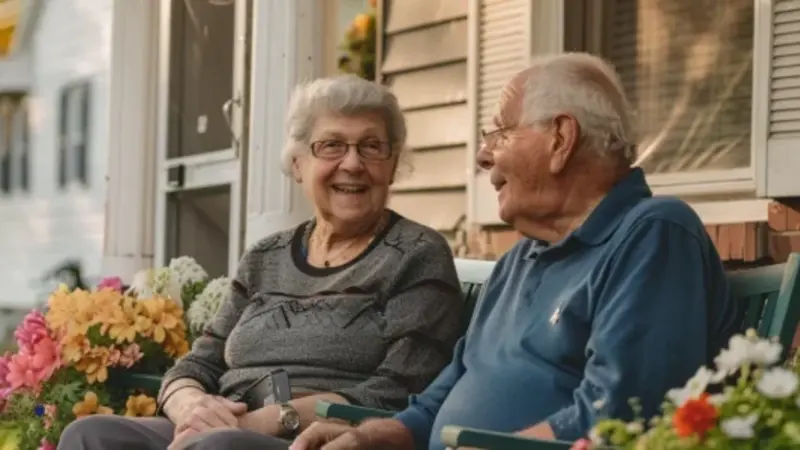
As the number of older adults in the world rises by twice in the next fifty years, the idea that aged adults can be able to grow old in their own homes is gaining significance. It is also about providing individuals of an old age with the ability to enjoy a safe and comfortable stay at their homes as long as it is possible. Ageing in place is a complex event that involves the willful design, community involvement, technology, and family participation to be successful. This paper will discuss key resources and policies that enable elderly people to remain independent in a way that does not jeopardize their well-being and safety. Learn by reading how you, or the people you love, can grow old in the comfort of your own home, with dignity.
Learning about the Concept of Aging in Place
Ageing in place is the power where the seniors live in their own houses or community safely, independently and comfortably in spite of their age, income, or degree of ability. It is a reaction to the fact that most people have a dilemma when needing to offer them proper and affordable home care as they age. It is a long-term intervention strategy that honors the intentions and wishes of the seniors to keep their own homes and routine, which may result in improved mental and emotional development. The network called Area Agencies on Aging (AAA), which furthers services throughout the nation, can refer seniors to services and programs such as nutrition programs and legal services, rides for seniors.
It entails putting a very close eye to the present needs, but also putting into force the future possibilities of physical restrictions and the state of health. Forward-thinking involves the modification of homes to make them free of obstacles and to minimize the chances of accidents. The objective is that the elderly would have no need to relocate except when necessary which can be traumatizing and destabilising.
Nevertheless, it does not imply that old age homes are needed to age in place. It focuses a lot on the support network that could consist of family, friends, healthcare practitioners, and community services. The key is a joint effort in which every person is involved in forming an environment which allows the seniors to flourish.
The benefits of staying in a familiar environment also include the fact that one is in a place of the known amenities, services, as well as social activities which are important in the quality of life of an older person. To most, community affiliation is what makes a house a home and a neighborhood a haven of the aging populations.
Modifications to Homes to assist in Independent Living
Home environment adaptations are essential in order to make aging in place possible. Falls can be prevented by straightforward modifications, which may include adding grab bars to the bathroom. A ramp instead of a stair can be used to make the house accessible to people requiring assistance with a wheelchair or a walker. Additional changes would be the lever door handles that are more convenient to persons with arthritic hands and pull-out shelves in the kitchen to reduce the unnecessary stretching or bending.
Lighting is also important because one can see well and avoid accidents. Seniors with impaired vision can have task lights used in their reading, cooking, or hobby rooms, and more general lights.
Another issue that is bigger in home modification is finding a balance between the beauty and the functionality of the home as everybody desires their home to be a friendly place. This balance can be reached with the help of a specialist working in the field of elderly-friendly design so that the changes that should be put in place become as inconspicuous as possible. At the same time, they should perform the functions as intended.
Community and Government Resources for Aging Adults
There are a lot of community and government sources that can help the seniors outside the home. The resources are holistic, and they support a healthy and active lifestyle among elderly people aging at home.
Financial Aid is vital to people who have a low income. Most communities have subsidies on adjustment of their homes, utilities and even on property tax. The Department of Health and Human Services provides grants to low-income older adults so that they can receive assistance in house repairs, although Medicare and Medicaid can partially cover equipment and home health services.
Education is a potent weapon to an aging adult. These events usually include health information, technology education and information on fraud protection, all the essentials of contemporary living on your own.
Social services are effectively useful in ensuring both mental and emotional happiness. The adult daycare facilities and senior companionship programs offer the possibility of socializing and relaxation to the caregivers. Such services assist in the fight against isolation as a major problem facing several elderly individuals.
Aging this place of residence is a complex task that summarizes the secure inclusion of the elderly individuals in the communities and residences. Via home modification, technology, support systems, and through the undying efforts of family and caregivers we can make sure that our aging population lives comfortably, respectfully and with dignity which they deserve.