Blocked drains are one of the most common plumbing issues affecting residential and commercial properties. While a slow-draining sink or unpleasant odour may initially seem minor, drainage problems can quickly develop into more serious plumbing issues if left unresolved. In severe cases, blocked drains can lead to overflowing water, pipe damage, structural issues, and expensive repairs.
Understanding the common causes of drain blockages is essential for preventing long-term plumbing problems. Many property owners use resources such as the signs of blocked drains guide from Pipe Relining Solutions to identify early warning signs and better understand how everyday habits can affect drainage systems over time. Early prevention and proper maintenance are often the best ways to avoid costly plumbing emergencies.
Why Blocked Drains Are Such a Common Problem
Drainage systems are used constantly throughout the day, which means pipes are regularly exposed to grease, food waste, soap residue, hair, dirt, and other debris. Over time, these materials gradually build up inside the pipes and restrict water flow.
Unlike sudden plumbing emergencies, blocked drains often develop slowly. Small obstructions may go unnoticed at first until water begins draining more slowly or unpleasant smells become noticeable. Without attention, these minor issues can eventually create complete blockages that disrupt normal plumbing throughout the property. Both residential and commercial properties can experience blocked drains, although the causes may vary depending on how the plumbing systems are used. Kitchens, bathrooms, laundries, and outdoor drainage systems are all vulnerable to blockage problems over time.
Grease and Food Waste in Kitchen Drains
Kitchen drains are one of the most common locations for blockages because they regularly handle oils, grease, food scraps, and cooking residue. Many people mistakenly believe grease can safely wash down the sink while hot, but it eventually cools and hardens inside the pipes. As grease builds up, it begins trapping food particles and other debris, gradually reducing the internal diameter of the pipe. Over time, this creates significant restrictions that affect water flow and increase the likelihood of complete blockages.
Certain food items can also contribute to drain problems, including coffee grounds, rice, pasta, and fibrous vegetables. These materials often expand or clump together inside pipes, making blockages worse. Preventing kitchen drain blockages usually involves disposing of grease and food waste properly rather than washing them into the plumbing system.
Hair and Soap Build-Up in Bathroom Pipes
Bathroom drains are particularly vulnerable to blockages caused by hair and soap residue. Hair easily collects inside pipes and combines with soap scum to form dense clumps that restrict water flow. Showers, bathtubs, and bathroom sinks are all affected by this issue, especially in households with multiple occupants. Over time, these materials accumulate inside the drainage system and create slow drainage or complete blockages.
Soap residue can also harden along pipe walls, reducing the available space for water to pass through. Combined with hair and other debris, this build-up becomes increasingly difficult to remove without professional cleaning. Using drain strainers and regularly removing visible hair from drains can significantly reduce the risk of bathroom blockages developing.
Tree Roots and Outdoor Drainage Problems
Outdoor drainage systems often experience blockages caused by tree roots. Tree roots naturally seek out moisture, and even small cracks or joints in underground pipes can attract root growth over time. Once roots enter the pipe, they continue expanding inside the drainage system and trap debris flowing through the line. This can eventually create severe blockages and even structural pipe damage if left untreated.
Properties with older plumbing systems are particularly vulnerable because ageing pipes are more likely to develop cracks or weak joints that allow root intrusion. Tree root problems often require professional inspection and specialised equipment to diagnose and repair effectively. Early detection is important because untreated root damage can lead to pipe collapse and major excavation work later.
Flushing Incorrect Items Down Toilets
Toilets are designed to handle human waste and toilet paper only, yet many blockages occur because inappropriate items are flushed into the system. Products labelled as “flushable” may still cause problems because they do not break down as easily as toilet paper.
Common items that contribute to toilet blockages include:
- Wet wipes
- Paper towels
- Sanitary products
- Cotton buds
- Excessive toilet paper
These materials can become trapped in bends or narrow sections of the plumbing system and create serious obstructions over time. Educating household members about what should and should not be flushed is one of the simplest ways to prevent recurring toilet blockages.
How Older Pipes Contribute to Drain Blockages
Older plumbing systems are more prone to blockages due to wear, corrosion, and pipe deterioration. As pipes age, their internal surfaces can become rough or damaged, making it easier for debris to accumulate. Corroded pipes may also experience reduced water flow capacity, which increases the likelihood of blockages developing even from smaller amounts of waste or residue.
In some older properties, drainage systems may have been built using outdated materials that are more vulnerable to cracking or root intrusion. These structural issues often worsen over time if not addressed properly. Professional inspections can help identify ageing pipes before they develop into major plumbing problems requiring expensive repairs or replacement.
Warning Signs Property Owners Should Not Ignore
Blocked drains rarely happen without warning. In many cases, there are early signs indicating the drainage system is beginning to experience problems.
Common warning signs include:
- Slow-draining sinks or showers
- Gurgling sounds from pipes
- Unpleasant odours from drains
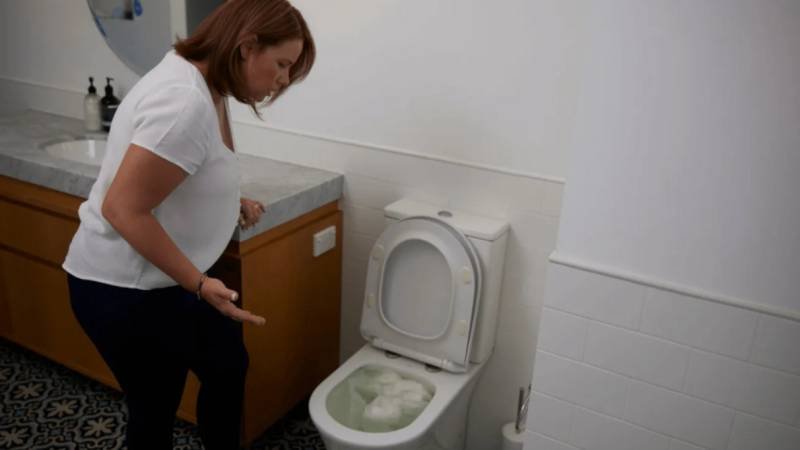
- Water backing up into fixtures
- Frequent recurring clogs
Ignoring these symptoms often allows the problem to become more severe and difficult to repair. Early action can prevent small blockages from turning into major plumbing emergencies. Professional plumbers can inspect the drainage system and identify the source of the issue before extensive damage occurs.
Why Professional Drain Inspections Are Important
While some minor clogs can be managed temporarily with household methods, recurring or serious blockages often require professional assessment. Professional plumbers use specialised equipment to inspect pipes and locate problems accurately.
Drain cameras and diagnostic tools allow plumbers to identify:
- Tree root intrusion
- Pipe damage or collapse
- Grease build-up
- Hidden obstructions
This technology helps ensure repairs target the actual cause of the blockage rather than simply treating surface symptoms temporarily. Professional inspections also help property owners understand the overall condition of their drainage system and identify preventative maintenance opportunities.
Preventative Maintenance Helps Avoid Costly Repairs
Preventative maintenance is one of the most effective ways to reduce the risk of blocked drains and expensive plumbing issues. Small changes in daily habits can significantly improve the long-term condition of drainage systems.
Simple preventative measures include:
- Avoiding grease disposal in sinks
- Using drain strainers in bathrooms
- Flushing only toilet paper and waste
- Scheduling regular drain inspections
- Addressing slow drainage early
Routine maintenance helps keep pipes clear and reduces the likelihood of major obstructions forming over time. Preventative plumbing care is almost always more affordable than emergency repairs caused by severe blockages or pipe damage.
Conclusion
Blocked drains are a common plumbing issue caused by factors such as grease build-up, hair accumulation, tree roots, ageing pipes, and improper waste disposal. While many blockages develop gradually, ignoring early warning signs can eventually lead to serious plumbing damage and expensive repairs.
By understanding the common causes of drainage problems and following advice such as the signs of blocked drains guide from Pipe Relining Solutions, property owners can take proactive steps to maintain healthier plumbing systems. Regular maintenance, early detection, and professional inspections all play an important role in preventing costly drainage issues and protecting the long-term condition of residential and commercial properties. See more: whatutalkingboutfamily.com.