
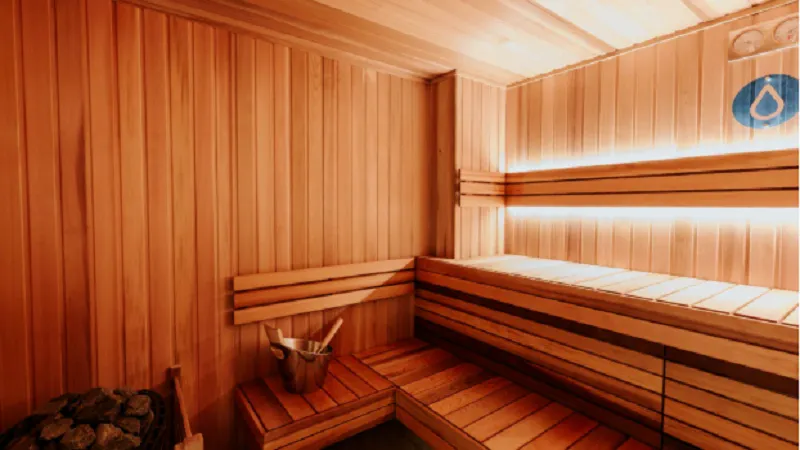
Sauna therapy has become increasingly popular among people looking to improve recovery, reduce stress, and support overall well-being. Once mainly associated with luxury spas and athletic recovery centres, saunas are now widely used as part of regular wellness routines for both physical and mental health support. As interest in recovery-focused lifestyles continues to grow, many people are also becoming more curious about the differences between traditional and infrared sauna experiences.
Understanding how each sauna type works can help individuals choose an option that better suits their comfort level, wellness goals, and recovery preferences. Many people use resources such as the RCVRI Sydney guide to sauna benefits to better understand how sauna therapy may support long-term wellness and recovery routines.
Why Sauna Therapy Continues to Grow in Popularity
Modern lifestyles often involve high stress levels, long work hours, and physically demanding routines that can contribute to fatigue and burnout over time. Because of this, many people are now placing greater focus on recovery and relaxation practices that support both physical and mental well-being. Sauna therapy has become popular because it offers a dedicated space for relaxation while also supporting recovery and circulation. Many people describe sauna sessions as an opportunity to disconnect temporarily from daily distractions and focus on recovery, breathing, and overall well-being.
Saunas are commonly incorporated into wellness routines alongside:
- Cold plunge therapy
- Stretching and mobility work
- Meditation or mindfulness practices
This broader recovery-focused approach reflects a growing awareness that long-term health is not only about exercise and nutrition but also about managing stress and supporting proper recovery.
How Traditional Saunas Work
Traditional saunas use heated air to raise the temperature inside the sauna room. Heat is typically generated by electric heaters, wood-burning systems, or heated stones that warm the surrounding environment. Traditional saunas generally operate at much higher temperatures than infrared saunas, often creating an intense heat experience with lower humidity unless water is added to the heated stones. The high heat encourages sweating and increases circulation throughout the body. Many people enjoy the strong warming sensation and relaxing atmosphere that traditional saunas provide.
Traditional sauna sessions are often associated with:
- Deep sweating and heat exposure
- Relaxation and stress reduction
- Muscle recovery after physical activity
The experience can feel particularly immersive because the entire room becomes heated, surrounding the body with consistent warmth.
How Infrared Saunas Differ
Infrared saunas work differently from traditional saunas because they use infrared light technology to heat the body directly rather than primarily heating the surrounding air. This creates a gentler heat environment while still encouraging sweating and relaxation. Because infrared saunas operate at lower temperatures, many people find them more comfortable for longer sessions, especially if they struggle with the intense heat of traditional sauna rooms.
Infrared sauna users often appreciate:
- Lower and more tolerable temperatures
- Gradual and comfortable heat exposure
- A more modern recovery experience
The lower ambient temperature can make infrared saunas feel less physically overwhelming while still providing many of the relaxation and recovery benefits associated with sauna therapy. This difference in heating style is one of the main reasons people develop personal preferences between traditional and infrared sauna experiences.
Supporting Recovery and Muscle Relaxation
Both traditional and infrared saunas are commonly used to support physical recovery after exercise or demanding physical activity. Heat exposure encourages circulation and helps muscles feel more relaxed after training sessions. Many people incorporate sauna therapy into recovery routines because it may help reduce feelings of muscular tightness and physical fatigue. The heat also encourages the body to slow down and relax, which can feel beneficial after stressful or physically demanding days.
Sauna sessions may support recovery by helping individuals:
- Relax tight or fatigued muscles
- Encourage circulation and warmth
- Create a dedicated recovery time after exercise
Athletes, fitness enthusiasts, and active professionals often use sauna therapy as part of broader recovery strategies designed to improve consistency and long-term performance.
The Mental Wellness Benefits of Sauna Therapy
One of the biggest reasons sauna therapy continues to grow in popularity is its connection to mental relaxation and stress management. Modern lifestyles often involve constant stimulation from work, technology, and busy schedules, leaving many people feeling mentally exhausted. Sauna sessions provide a quiet and controlled environment where individuals can slow down and focus on relaxation. The warmth and calm atmosphere often encourage mindfulness and deeper breathing, helping many people feel mentally refreshed afterward.
Regular sauna use may help support:
- Relaxation and stress reduction
- Mental reset after busy days
- Improved overall well-being routines
For many people, the mental benefits of sauna therapy become just as valuable as the physical recovery aspects. Creating consistent opportunities to disconnect and recover mentally is becoming increasingly important in modern wellness routines.
Choosing Between Traditional and Infrared Saunas
Choosing between traditional and infrared saunas often comes down to personal preference, comfort level, and recovery goals. Some people enjoy the intense heat and classic sauna experience of traditional systems, while others prefer the gentler and more gradual warmth provided by infrared technology.
Traditional saunas may appeal more to people who enjoy:
- Higher heat intensity
- Strong sweating experiences
- A more classic sauna environment
Infrared saunas may be better suited for individuals who prefer:
- Lower temperatures
- Longer sessions
- Gentler heat exposure
Neither option is necessarily better overall. Both provide recovery and relaxation opportunities, and many people enjoy incorporating both styles into their wellness routines depending on their mood or needs.
Why Consistency Matters More Than Intensity
One common misconception about recovery practices is that more intense experiences always provide better results. In reality, long-term consistency is often more important than occasional extreme sessions. Regular sauna use may help people create healthier recovery habits and more balanced wellness routines over time. Whether using traditional or infrared saunas, consistency often contributes more to long-term well-being than pushing the body excessively during individual sessions.
Building regular recovery routines can support:
- Better stress management
- Improved recovery habits
- Greater overall wellness awareness
Many people find that creating consistent time for recovery becomes one of the most valuable parts of sauna therapy itself. This routine-driven approach aligns with the broader shift toward sustainable long-term wellness rather than quick or extreme health trends.
The Growing Popularity of Recovery Studios
Recovery-focused wellness spaces are becoming increasingly common in major cities as more people seek structured environments dedicated to recovery and well-being. Professional recovery studios often combine saunas with other services such as cold plunge therapy, stretching spaces, and wellness-focused environments. These spaces appeal to people who want accessible and professionally maintained recovery experiences without needing to create elaborate setups at home.
Recovery studios also help normalise recovery as part of regular lifestyle management rather than something reserved only for athletes or rehabilitation settings. As public awareness of stress management and recovery science continues to grow, professional wellness spaces are likely to remain an important part of modern health culture.
Conclusion
Traditional and infrared saunas both offer valuable wellness and recovery benefits, although they provide different experiences depending on how heat is delivered and how individuals respond to it. Whether people prefer the intense heat of traditional saunas or the gentler warmth of infrared systems, both approaches can support relaxation, recovery, and long-term well-being.
By using resources such as the RCVRI Sydney guide to sauna benefits, individuals can better understand how sauna therapy may fit into their personal recovery and wellness routines. As recovery-focused lifestyles continue to grow in popularity, sauna therapy remains one of the most widely used and accessible practices for supporting both physical and mental well-being.
See more: whatutalkingboutfamily