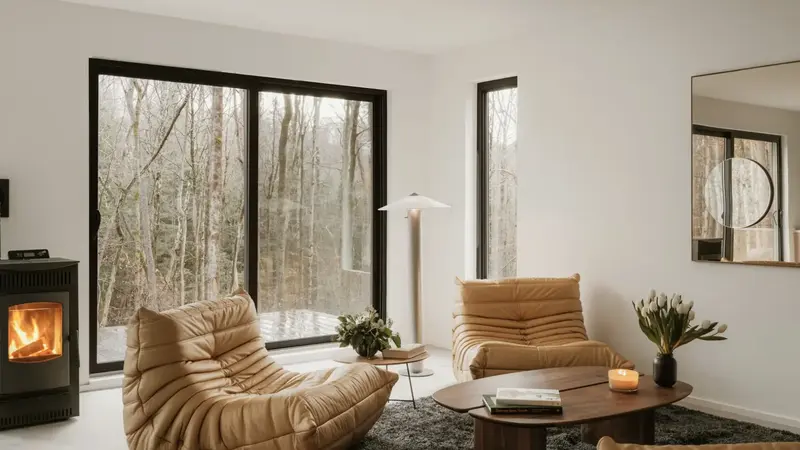
Interior design is more than arranging furniture or choosing paint colors — it’s about creating a space that feels comfortable, functional, and uniquely yours. Whether you’re decorating a new home, renovating a single room, or simply refreshing your current space, thoughtful design choices can completely transform the atmosphere. Here are practical and timeless interior design tips to help you create a beautiful and balanced home.
1. Start with a Clear Vision
Before purchasing furniture or décor, define your style and purpose. Ask yourself:
- How do I want this space to feel — cozy, modern, luxurious, minimal?
- What is the main function of this room?
- Who will use this space most often?
Creating a mood board using colors, textures, and inspiration images can help you stay focused and avoid impulse purchases that don’t align with your overall vision.
2. Choose a Cohesive Color Palette
Color plays a major role in setting the mood of a room and interior design. Neutral tones like beige, gray, and white create a calm and timeless base, while bold colors add personality and energy.
A good rule of thumb is the 60-30-10 rule:
- 60% dominant color (walls or large furniture)
- 30% secondary color (upholstery, curtains)
- 10% accent color (cushions, art, décor pieces)
This creates visual balance without overwhelming the space.
3. Focus on Proper Lighting
Lighting can make or break a room. Layer different types of lighting to create depth and functionality:
- Ambient lighting for overall brightness
- Task lighting for reading or working
- Accent lighting to highlight artwork or architectural details
Natural light is equally important. Use light curtains or sheer fabrics to maximize daylight and make rooms appear larger and more inviting.
4. Prioritize Functionality
A beautiful room must also be practical. Consider how you move within the space. Leave enough walking room between furniture pieces and ensure commonly used items are easily accessible.
For example:
- In living rooms, arrange seating to encourage conversation.
- In kitchens, maintain a functional workflow between sink, stove, and refrigerator.
- In bedrooms, allow space around the bed for easy movement.
Design should support your lifestyle, not complicate it.
5. Invest in Key Furniture Pieces
Instead of filling a room with many inexpensive items, invest in a few high-quality, statement pieces such as a sofa, dining table, or bed frame. These anchor pieces define the room’s character and can last for years.
Choose furniture that fits the scale of the room. Oversized furniture can overwhelm a small space, while tiny pieces may look lost in a large area.
6. Add Texture and Layers
A well-designed space combines different textures to create depth and warmth. Mix materials such as:
- Wood and metal
- Linen and velvet
- Glass and stone
Layer rugs, throws, and cushions to make the room feel inviting. Texture adds richness even in a neutral color scheme.
Final Thoughts
Great interior design balances beauty and function. By planning carefully, choosing a cohesive color palette, layering textures, and adding personal touches, you can create a home that feels stylish and comfortable. Whether you prefer modern minimalism or classic elegance, thoughtful design choices will help you transform any space into a welcoming retreat that reflects your lifestyle and taste.
If you’d like, I can also tailor this blog for a specific niche like luxury interior design, small apartments, office spaces, or home renovation services.