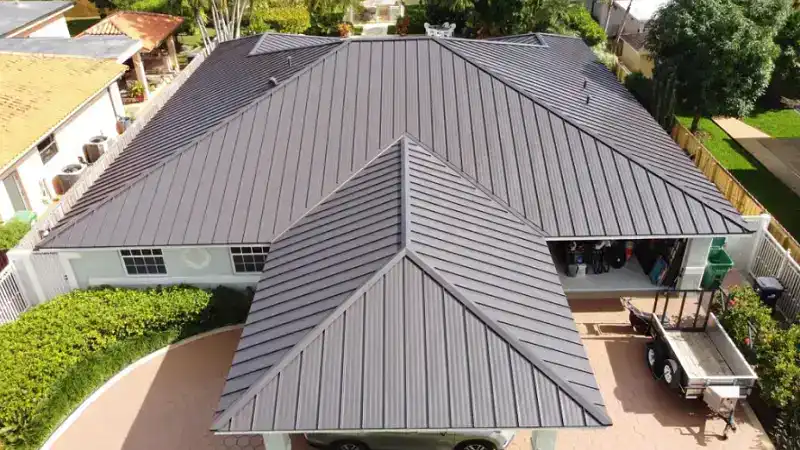
Your roof is your home’s first and most important line of defense. Yet many homeowners don’t realize there’s a problem until water is dripping from the ceiling or shingles are scattered across the yard. By the time damage is visible inside, your roof has often been vulnerable for months or even years.
Long before major storms arrive, most roofs give subtle signals that repairs are needed. Learning to recognize these early warning signs can help you protect your home, avoid costly emergency repairs, and significantly reduce the risk of severe structural damage.
Why Early Roof Repairs Make a Big Difference
High winds and driving rain don’t usually cause roof failure on their own. They exploit existing weaknesses loose shingles, worn sealants, and hidden moisture. Small issues that seem harmless in calm weather can quickly become serious once extreme conditions arrive.
Working with experienced professionals, such as roofers in Hollywood, FL, allows problems to be identified and corrected before they escalate into major repairs or full roof replacements.
Subtle Roof Warning Signs Most Homeowners Miss
Not all roof problems are obvious. Some of the most damaging issues develop quietly.
-
Shingles That Are Curling, Cracked, or Thinning
Shingles are designed to create a tight, protective barrier. When they curl, crack, or lose their surface granules, they become far less effective at shedding water and resisting wind.
-
Dark Streaks or Patchy Discoloration
Stains on the roof often indicate trapped moisture, algae growth, or material breakdown. While they may appear cosmetic, these marks frequently point to deeper deterioration beneath the surface.
-
Soft Areas or Uneven Sections
If parts of the roof feel spongy or appear slightly sunken, this may signal moisture damage to the underlying structure. These weak spots are particularly vulnerable when exposed to heavy rain and strong gusts.
-
Granules in Gutters or Around Downspouts
Shingle granules protect against sun damage and water intrusion. When they start collecting in gutters, it’s a sign the roof’s outer layer is wearing down and losing its protective function.
-
Indoor Clues You Shouldn’t Ignore
Water stains on ceilings, peeling paint, musty odors, or unexplained humidity changes often originate from slow roof leaks that haven’t yet become visible on the exterior.
How Minor Problems Turn into Major Damage
When wind lifts a loose shingle, or rain seeps into a small crack, moisture spreads rapidly. Insulation becomes saturated, wood begins to rot, and mold can develop inside walls and ceilings. Over time, this compromises not only the roof but the overall structure of the home.
Proactive repairs reinforce weak areas, seal entry points, and restore the roof’s ability to withstand severe weather instead of reacting after destruction occurs.
The Value of a Professional Roof Assessment
A proper roof inspection looks beyond surface materials. Trained professionals evaluate flashing, underlayment, ventilation, drainage systems, and structural integrity. They also identify areas most likely to fail under stress.
Choosing a trusted roofing company in Sunrise, FL, ensures repairs are not only cosmetic but designed to strengthen the entire roofing system and extend its lifespan.
What a Preventive Roof Repair Plan Should Cover
A thorough pre-storm preparation plan typically includes:
- Re-securing or replacing loose shingles
- Resealing flashing and roof penetrations
- Repairing soft or weakened decking
- Improving drainage and gutter flow
- Identifying hidden moisture intrusion
- Reinforcing vulnerable roof edges and ridges
These measures work together to improve water resistance, wind performance, and long-term durability.
Final Thoughts
The most dangerous roof problems are rarely dramatic. They develop quietly, weakening your roof’s protective barrier over time. Addressing these hidden warning signs early gives you control, reduces risk, prevents interior damage, and avoids the stress and expense of emergency repairs.
A proactive approach to roof maintenance isn’t just about protecting shingles; it’s about safeguarding your home, belongings, and peace of mind.
Frequently Asked Questions
-
How often should a roof be inspected?
Most professionals recommend a full inspection at least once a year and after any major storm to identify early signs of damage.
-
Can a small roof leak really cause serious problems?
Yes. Even slow leaks can lead to mold growth, insulation damage, wood rot, and weakened structural components over time.
-
What is the biggest risk of delaying roof repairs?
Delaying repairs allows moisture to spread, turning manageable issues into expensive structural restoration projects.
-
How long do roof repairs usually take?
Minor repairs may take only a few hours, while more extensive reinforcement can take one to several days, depending on conditions and materials.