
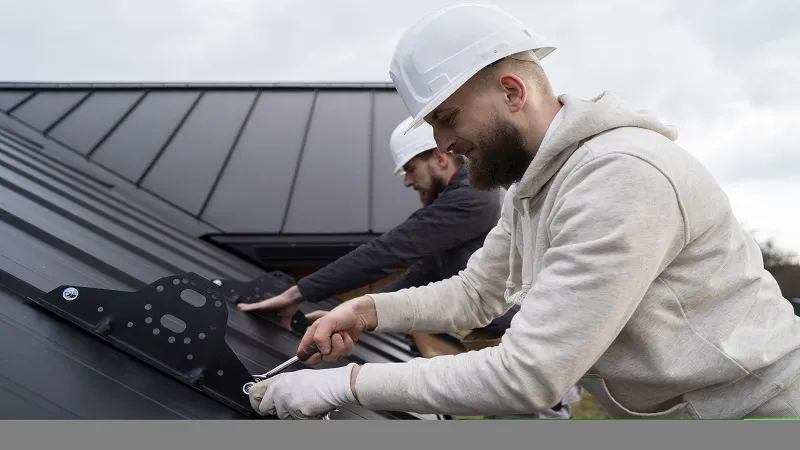
One of the most common questions homeowners ask is, “How long will my roof last?” The answer depends on several factors, including the type of roofing material, the quality of the installation, your local climate, attic ventilation, and how well the roof has been maintained over the years.
While no roof lasts forever, understanding the expected lifespan of your roofing system can help you plan for future repairs or replacement before unexpected problems arise.
Average Lifespan of Common Roofing Materials
Different roofing materials are designed to last for different lengths of time.
Typical life expectancies include:
- Three-tab asphalt shingles: 15–20 years
- Architectural asphalt shingles: 25–30 years or more
- Premium asphalt shingles: 30–40 years
- Metal roofing: 40–70 years
- Cedar shake roofing: 20–40 years
- Clay tile roofing: 50–100 years
- Slate roofing: 75–150 years
These estimates assume proper installation, routine maintenance, and normal weather conditions.
Factors That Affect Roof Longevity
A roof’s lifespan is influenced by much more than its age.
Important factors include:
- Quality of installation
- Roofing material used
- Local weather conditions
- Sun exposure
- Wind damage
- Hailstorms
- Heavy snowfall
- Proper attic ventilation
- Adequate insulation
- Routine maintenance
Even high-quality roofing materials can fail prematurely if installation or ventilation is inadequate.
Weather Plays a Major Role
Roofs endure constant exposure to the elements.
Over time, weather can cause:
- Shingle cracking
- Granule loss
- Curling shingles
- Flashing deterioration
- Moisture intrusion
- Ice dam formation
- Wind damage
Homes located in areas that experience frequent storms may require more frequent inspections and maintenance.
Warning Signs Your Roof May Be Near the End of Its Life
Homeowners should watch for signs that indicate a roof may be wearing out.
These include:
- Missing shingles
- Curled or cracked shingles
- Bald spots where granules are missing
- Water stains on ceilings
- Frequent leaks
- Moss or algae growth
- Sagging roof sections
- Damaged flashing
Even if your roof has not yet reached its expected lifespan, these warning signs may indicate that professional attention is needed.
The Importance of Regular Roof Inspections
Routine inspections help identify problems before they become expensive repairs.
Professional roof inspections often uncover:
- Loose shingles
- Damaged flashing
- Soft roof decking
- Ventilation issues
- Small leaks
- Nail pops
- Moisture beneath roofing materials
Annual inspections are especially valuable after severe storms.
Can Maintenance Extend Roof Life?
Yes.
Routine maintenance is one of the best ways to maximize the lifespan of your roofing system.
Helpful maintenance includes:
- Cleaning gutters
- Removing debris
- Trimming overhanging branches
- Replacing damaged shingles promptly
- Repairing flashing
- Checking attic ventilation
- Scheduling yearly inspections
Small maintenance tasks can prevent much larger repairs later.
Repair or Replace?
Many homeowners struggle to decide whether they should continue repairing an aging roof or invest in a replacement.
Repairs are often appropriate when:
- Damage is isolated.
- The roof is relatively new.
- Most shingles remain in good condition.
- There are no recurring leaks.
Replacement may be the better long-term investment when:
- Repairs become frequent.
- Multiple roof sections are failing.
- Storm damage is widespread.
- The roof has reached the end of its expected service life.
- Repair costs continue increasing.
Evaluating the roof as a whole—not just one damaged area—often leads to a better long-term decision.
Why Installation Quality Matters
A properly installed roof often lasts significantly longer than one installed incorrectly.
Professional installation helps ensure:
- Correct shingle placement
- Proper flashing installation
- Adequate attic ventilation
- Manufacturer installation requirements are followed
- Better resistance to wind and water intrusion
Choosing experienced roofing professionals can have a major impact on how long your roof performs.
Planning Ahead for Roof Replacement
Waiting until your roof fails completely can lead to emergency repairs, water damage, and unexpected expenses.
Planning ahead allows homeowners to:
- Budget for the project
- Compare roofing materials
- Schedule work during favorable weather
- Avoid emergency leak situations
- Improve energy efficiency
- Increase home value
If your roof is approaching the end of its useful life or showing multiple warning signs, find out what comes next so you can make an informed decision before small problems become major ones.
Preparing early often reduces stress and helps homeowners avoid costly surprises.
Frequently Asked Questions
How do I know how old my roof is?
You may be able to determine the age by reviewing home purchase records, building permits, warranty documents, or by asking a roofing professional to evaluate its condition.
Can a roof last longer than its expected lifespan?
Yes. A well-installed and properly maintained roof may exceed its average life expectancy, especially if it has experienced minimal storm damage.
Should I replace my roof if it’s not leaking?
Not necessarily. However, if the roof shows widespread deterioration or has reached the end of its expected lifespan, replacement may be the more cost-effective option before leaks develop.
How often should I have my roof inspected?
Most roofing professionals recommend a full inspection at least once a year and after any major storm.
Final Thoughts
Every roof has a limited lifespan, but regular maintenance, quality installation, and prompt repairs can help maximize its performance for many years. Understanding how roofing materials age, recognizing the warning signs of deterioration, and scheduling routine inspections can help homeowners avoid unexpected failures. By planning ahead and addressing issues before they become emergencies, you can protect your home, preserve its value, and make confident decisions about the future of your roofing system. See more