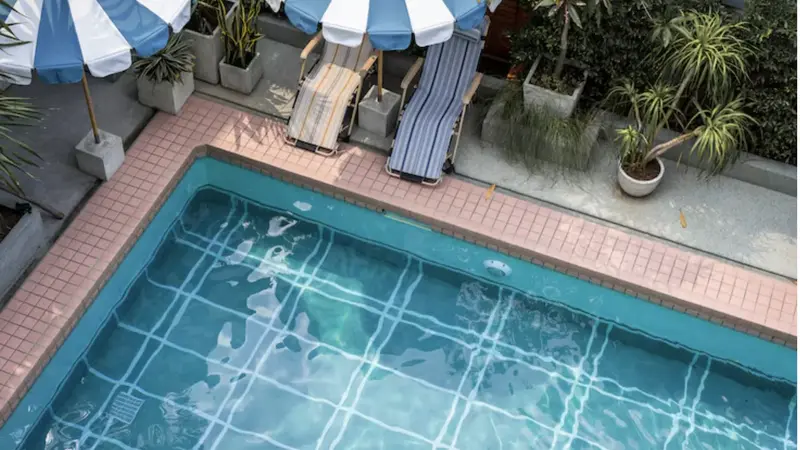
Not every pool is meant to host weekend barbecues or a dozen kids with pool noodles. For many homeowners, the real appeal of a pool shows up in quieter moments. Early mornings before the day starts. Late afternoons when the sun softens and the yard finally feels still. A pool designed for solo use supports those moments instead of fighting them. It prioritizes calm over capacity and experience over spectacle. When the goal is solitude, design choices shift in subtle but meaningful ways. Every surface, sound, and sightline matters more because there is nothing to distract from them.
Choosing a Pool Size That Encourages Calm
Bigger is not always better when the goal is quiet use. A pool meant for solo swimming or floating should feel proportionate to the space and to the way it will be used. Long, narrow pools often work beautifully for this purpose. They invite steady movement without encouraging chaos. Oversized pools can feel empty or echo-prone when used alone, while a more intentional footprint feels personal and contained. Depth also plays a role. Consistent depths tend to feel more relaxing than dramatic drops, especially for slow laps or standing stretches. The pool should feel like it fits your body, not overwhelms it.
Minimizing Visual Distractions
Quiet use is not only about sound. Visual calm matters just as much. Busy tile patterns, high-contrast finishes, or overly complex shapes can pull attention in ways that disrupt relaxation. Pools designed for solo use often rely on restrained color palettes and simple geometry. Soft blues, muted grays, or natural stone tones help the water feel less active and more reflective. Straight lines and gentle curves are easier on the eyes than sharp angles and dramatic features. When you are alone in the pool, your eye wanders. Giving it less to process creates a more restful experience.
Designing for Sound Control
Sound behaves differently around water, and thoughtful design can reduce unwanted noise. Hard surfaces like concrete walls, glass fencing, and tile can bounce sound back toward the pool, amplifying splashes or nearby conversations. Incorporating softer materials nearby helps absorb noise. Landscaping, wood accents, and textured stone surfaces all contribute to quieter acoustics. Water features, if included at all, should be subtle. A gentle spillway or low-flow feature creates a steady, calming background sound without overpowering the space. The goal is not silence, but balance.
Creating Privacy Without Feeling Closed In
Solo use often goes hand in hand with privacy. Feeling watched can ruin even the most beautiful pool experience. That said, privacy does not need to mean tall walls or heavy fencing. Strategic planting, partial screens, and thoughtful placement can shield the pool without making it feel boxed in. Positioning the pool so it faces a quiet view or a simple garden wall helps direct attention inward. When privacy is layered gradually rather than imposed abruptly, the space feels safe without becoming isolating.
Furniture and Entry Points That Support Ease
How you enter and exit the pool affects how relaxed the experience feels. Wide steps, gradual entries, or submerged benches invite lingering rather than quick movement. These features encourage slow transitions, which matter when you are using the pool alone. Furniture choices around the pool should follow the same logic. One or two comfortable loungers are often better than a full seating arrangement. Side tables placed within easy reach let you bring a book or a drink without cluttering the space. Everything should feel intentional, not prepared for a crowd.
Lighting That Respects Quiet Moments
Lighting can either enhance or disrupt a solo pool experience. Bright, uniform lighting often feels functional rather than calming. Instead, consider softer, layered lighting that creates pockets of glow rather than full illumination. Underwater lights with warm tones, low pathway lighting, and subtle wall washes make evening swims feel intimate and unhurried. Avoid fixtures that create glare or harsh reflections on the water. When lighting is done well, it fades into the background and lets the mood lead.
Landscaping as a Buffer, Not a Statement
Plants around a pool designed for quiet use should support the atmosphere without demanding attention. Tall grasses that move gently in the breeze, evergreen shrubs that provide consistency, and trees that filter light all contribute to a sense of calm. Avoid overly colorful or high-maintenance plantings that require frequent upkeep or draw visual focus. The landscape should act as a soft boundary, framing the pool rather than competing with it. Over time, this creates a space that feels settled and personal.
Designing a Pool That Invites You Back
A pool that supports quiet, solo use becomes more than a feature. It turns into a routine, a reset button, a place you return to when the day feels full. If you are looking for inground pools in San Diego, there are contractors who can help. By choosing the right scale, controlling sound and sightlines, and designing with intention, you create a space that welcomes stillness instead of noise. The best solo pools do not announce themselves. They wait patiently, ready when you are. And in a world that rarely slows down, that kind of design feels like a gift.