
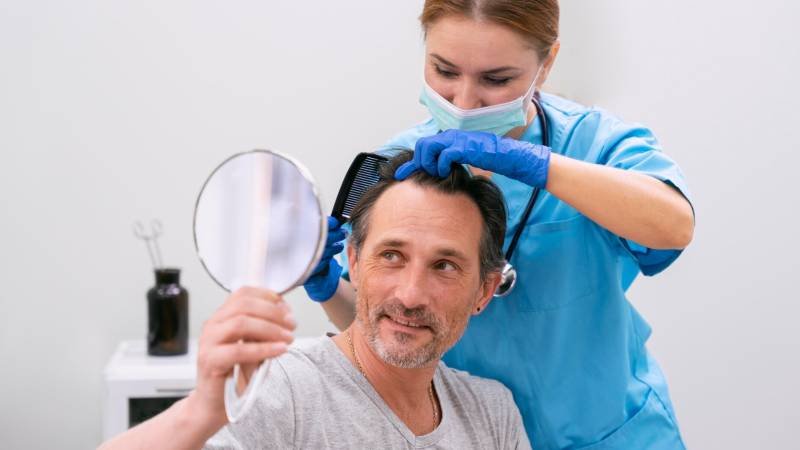
Hair thinning affects millions and can have significant emotional and social impact. Fortunately, decades of clinical research have yielded several effective approaches to stimulate scalp hair growth. Understanding the mechanisms, evidence, and practical considerations behind these treatments helps set realistic expectations and guides the best choices for individual needs. This article summarizes the most robust, clinically supported options and explains how they fit into a comprehensive plan for restoring and maintaining hair.
Foundation: how clinically proven treatments work
Clinically effective treatments for hair growth act by one or more of three general mechanisms: prolonging the growth phase (anagen) of hair follicles, reversing hormonal miniaturization of follicles, or stimulating cellular repair and blood supply in the scalp. Medications like minoxidil increase blood flow and open potassium channels in follicular cells to extend anagen. Hormone-targeting drugs such as finasteride reduce the conversion of testosterone to dihydrotestosterone (DHT), a major driver of male pattern hair loss. Procedural therapies aim to create regenerative signaling or deliver growth factors directly to follicles. Choosing a strategy depends on the pattern and cause of hair loss, patient age, sex, medical history, and tolerance for potential side effects.
Topical and oral medications with strong evidence
Topical minoxidil is one of the best-studied first-line therapies for androgenetic (pattern) hair loss in both men and women. Clinical trials demonstrate increased hair count and density with consistent application, and many users notice slowing of hair loss within months and improved thickness by six to twelve months. Minoxidil is generally well tolerated, though some people experience scalp irritation or increased hair shedding when first starting.
Oral finasteride is FDA-approved for men and works by inhibiting the 5-alpha-reductase enzyme that produces DHT. Long-term studies show sustained hair preservation and regrowth for many men. Side effects can include sexual dysfunction in a minority of users and a small risk of mood changes; shared decision-making with a clinician is recommended before starting therapy. For some men, finasteride is combined with topical minoxidil to address different mechanisms concurrently.
Topical anti-fungal agents like ketoconazole shampoo have supportive data suggesting they may reduce scalp inflammation and DHT signaling, complementing primary therapies. Low-dose topical formulations of hormonal agents are under investigation, but oral options remain more potent and should be used under medical supervision.
Procedural and in-office therapies backed by research
Platelet-rich plasma (PRP) therapy has gained traction because multiple randomized and controlled studies report improvements in hair density and caliber. PRP involves concentrating growth factors from a patient’s own blood and injecting them into the scalp to stimulate dormant follicles and improve microcirculation. Protocols vary, but results often appear after a series of monthly treatments, with maintenance sessions recommended.
Microneedling creates controlled micro-injuries in the scalp to trigger wound-healing pathways and increase absorption of topical agents. When combined with topical minoxidil or PRP, microneedling has shown additive benefits in several trials. Low-level laser therapy (LLLT) devices, typically in helmet or comb form, emit specific wavelengths that stimulate cellular energy production in follicles. Randomized studies have demonstrated modest to meaningful increases in hair density with regular LLLT use.
For advanced or refractory cases, hair transplantation offers a surgical solution by relocating healthy follicles from donor areas to thinning regions. When performed by experienced surgeons, transplantation provides a long-lasting aesthetic improvement, though it is invasive and requires realistic expectations about density and maintenance.
Innovations and topical formulations
The landscape of topical formulations is expanding beyond generic solutions to include enhanced delivery systems and combination serums. Some products incorporate minoxidil with adjuncts that reduce irritation or support follicle health through antioxidants and peptides. For patients preferring non-oral options or looking to add a convenient daily product, a well-formulated topical option can complement medical treatments. For example, a carefully designed topical hair regrowth serum used alongside clinical therapies may improve patient satisfaction and adherence without replacing prescription medications.
Emerging pharmacologics and off-label uses, such as low-dose oral dutasteride in select settings, are under clinical evaluation. While promising, such approaches require careful monitoring and informed consent, as long-term safety profiles are still being established.
Combining treatments and managing expectations
Combining therapies often yields better outcomes than single modalities, because each approach targets different aspects of follicle health. A common regimen for male pattern hair loss includes oral finasteride, topical minoxidil, occasional PRP or microneedling sessions, and LLLT as a home device for ongoing stimulation. Women may benefit more from topical minoxidil combined with anti-inflammatory scalp care and in-office therapies like PRP if hormonal treatments are contraindicated.
It is crucial to set realistic expectations: most treatments slow hair loss and improve density rather than restoring the hairline to a youthful state. Clinical benefits typically require consistent use for at least three to six months before noticeable changes, and maintenance therapy is often necessary to preserve gains. Side effect profiles and contraindications must be reviewed with a healthcare provider, and treatment should be tailored to each person’s medical history and goals.
Practical steps for choosing the right plan
Begin with an accurate diagnosis from a dermatologist or hair specialist; hair shedding can result from various causes including nutritional deficits, thyroid disease, autoimmune conditions, and medications that require different treatments. Once androgenetic or pattern hair loss is confirmed, discuss first-line options and realistic timelines. Consider starting with evidence-backed, low-risk therapies such as topical minoxidil, and evaluate whether systemic therapy like finasteride is appropriate. For those seeking accelerated results or addressing more advanced thinning, procedural therapies like PRP or microneedling can be added.
Regular follow-up is essential to assess response and adjust the regimen. Photographic documentation and hair count measures can track progress objectively. Combining medical therapies with good scalp hygiene, balanced nutrition, and avoidance of damaging hairstyling practices will optimize outcomes.
Clinically proven treatments now provide multiple pathways to slow hair loss and stimulate regrowth. By understanding mechanisms, evidence, and practical considerations, patients and clinicians can build individualized plans that maximize outcomes while minimizing risk. Consultation with a specialist ensures the right combination of therapies and realistic expectations for long-term hair health. See more.