
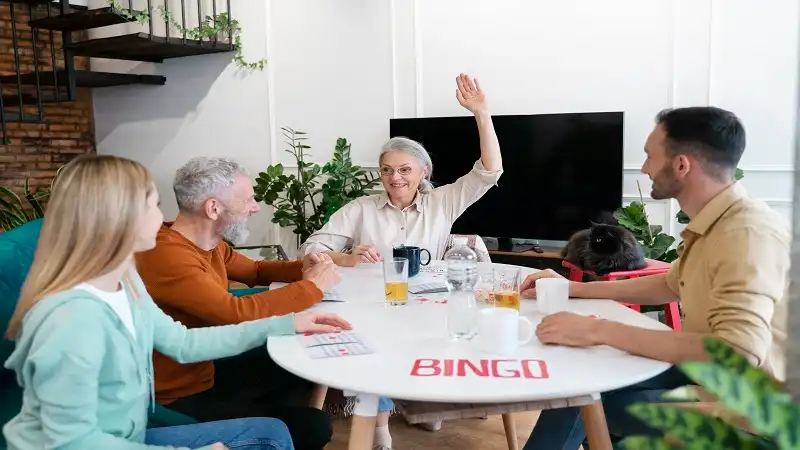
Daily activities can help seniors in memory care stay connected with their surroundings, express themselves, and take part in meaningful experiences. In Memory Care in Alberta, suitable activities may support attention, communication, movement, and social connection for people living with dementia. The goal is not to test their memory or expect them to complete every task. It is to offer enjoyable experiences that match their abilities, interests, and comfort.
A good activity program gives residents choices and allows them to participate at their own pace. Some may enjoy music and conversation, while others prefer gardening, simple crafts, or familiar household tasks. Care staff can adjust each activity as a resident’s needs and abilities change.
What Cognitive Engagement Means in Memory Care?
Cognitive engagement means using thinking skills such as memory, attention, language, and problem-solving. Activities that involve these skills can give residents opportunities to communicate, make choices, and connect with familiar experiences. They should feel enjoyable rather than like schoolwork or a test.
Dementia affects people in different ways. One resident may enjoy a word game, while another may find it frustrating. Staff can watch for signs of interest, fatigue, or discomfort and change the activity when needed. Activities can support quality of life, but they cannot guarantee that memory loss will stop or that dementia will progress more slowly.
Music and Familiar Songs
Music can create opportunities for communication and enjoyment, even when speaking becomes difficult. Residents may listen to favourite songs, sing along, clap to a beat, or move gently to music. Familiar tunes can also bring back memories of family gatherings, school days, or special events.
Staff can ask families about a resident’s favourite singers and songs. They should keep the volume comfortable and reduce background noise so residents can focus. The Alzheimer Society of Canada recommends adapting music activities to personal preferences and watching how each person responds.
Memory Games and Reminiscence Activities
Reminiscence activities use familiar photos, objects, stories, and music to start conversations about past experiences. Staff might bring out an old photo album, a familiar kitchen item, or objects linked to a resident’s former job or hobby. These items can give residents something familiar to talk about and help them feel connected to their personal history.
The goal is to enjoy the conversation, not to test memory. Staff should avoid questions that make residents feel they must recall exact names or dates. The Alzheimer Society of Canada recommends following the person’s lead and responding with patience when memories bring up strong emotions.
Art, Crafts, and Sensory Activities
Painting, colouring, flower arranging, and simple crafts give residents ways to express themselves without relying only on speech. Sensory activities can also involve familiar textures, safe household objects, or pleasant scents. These experiences may encourage attention and offer a calm way to take part in an activity.
Staff should use safe materials and adapt tasks to each resident’s abilities. An unfinished painting can still be a positive experience, so there is no need to focus on the final result. The Alzheimer Society of Canada advises keeping art activities enjoyable, reducing distractions, and allowing people to work at their own pace.
Everyday Tasks That Create a Sense of Purpose
Familiar household tasks can help residents feel useful and involved. Activities such as folding towels, sorting items, watering plants, or setting a table may connect with skills they used for years. These tasks also give residents a chance to make choices and use their hands.
The key is to offer activities that suit the person’s interests and past experiences. Alberta Health Services notes that meaningful activities can draw on a person’s former work, hobbies, and favourite interests. Staff should avoid tasks that feel childish or cause frustration.
Gentle Movement and Group Activities
Gentle movement can combine physical activity with social contact. Depending on each resident’s abilities, options may include chair exercises, short walks with suitable support, simple dance movements, or passing a soft ball in a group. These activities can provide a change of pace and give residents chances to interact with others.
Staff should consider balance, mobility, fatigue, and fall risk before an activity begins. They can offer seated options when needed and allow residents to rest. The Alzheimer Society of Canada notes that exercise does not have to be strenuous to be useful or enjoyable.
How Memory Care Staff Can Personalize Activities
No single activity suits every resident. Staff should learn about each person’s interests, cultural background, abilities, and preferred routines. They can then offer a few simple choices, give clear instructions, and adjust the activity when the resident’s mood or energy changes.
Families can help by sharing stories about favourite hobbies, music, past work, and meaningful traditions. In Memory Care in Alberta, families comparing communities can ask how staff plan activities, track resident preferences, and adapt programs as needs change. Alberta Health Services supports person-centred dementia care that respects personal history, dignity, strengths, and choice.
Making Cognitive Engagement Part of Memory Care
Meaningful activities can help residents stay involved, express their preferences, and connect with other people. Music, familiar tasks, sensory experiences, creative projects, and gentle movement all offer ways to take part. The best choices depend on the person, not just their diagnosis.
Families looking at memory care communities in Alberta should ask how activity programs reflect each resident’s interests and abilities. A good program values participation over performance and allows room for rest or a change of plan. This approach helps keep activities comfortable, respectful, and personal.