
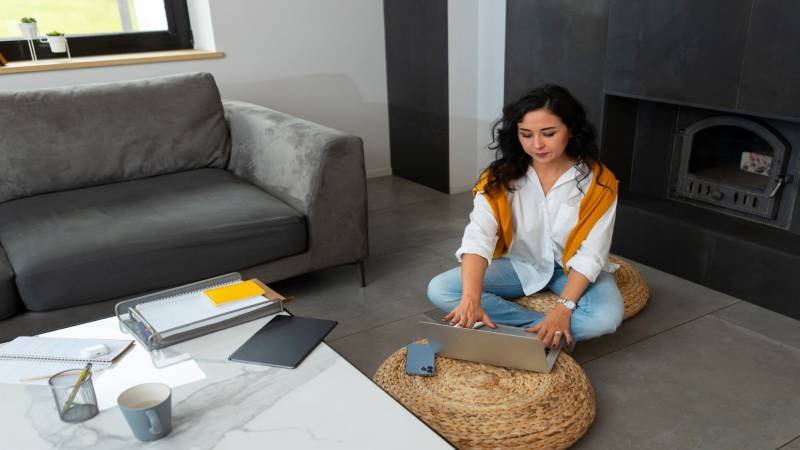
Why simplicity matters at home?
A simplified living space does more than free up square footage; it calms the mind, reduces daily decision fatigue, and makes your home easier to maintain. When clutter is reduced, every room gains clarity and purpose. You’ll spend less time searching for misplaced items and more time using and enjoying the things you own. Simplicity also supports flexible living—rooms can be adapted for different uses, visitors feel welcome, and cleaning routines become manageable. The goal is not a sterile environment but a home that reflects intentional choices and supports how you want to live.
Getting ready—mindset and planning
Begin by setting realistic expectations. Simplifying is a process, not a single weekend project. Identify your motivations: more space, easier maintenance, fewer possessions to move, or simply better focus. Create a manageable timeline and commit to one clear decision rule. Your rule might be “I keep what I use weekly,” “I keep what brings me joy,” or “I keep only duplicates under two.” Decide whether you’ll donate, sell, pass items on, or recycle and make plans for each category so the work doesn’t stall.
A gentle, room-by-room method
Approach each room as its own small project. Start with a non-emotional area, like a hallway closet or guest bathroom, to build momentum. Work systematically: empty a targeted space, sort items into keep, discard, donate, and relocate piles, and then only return chosen items in an organized way. In the kitchen, focus on appliances and utensils you actually use; in the bedroom, evaluate clothes by how often they’re worn and how they make you feel. Paper tends to accumulate quickly—establish a short-term purge for old bills, warranties, and manuals, and create a simple filing or scanning habit for the rest.
Practical strategies for tough categories
Sentimental items and collections are common sticking points. Set a boundary by choosing a single, visible display area for special items; everything else can be digitized or documented. Photographs can be scanned and backed up to a cloud service, while small keepsakes might be limited to a single box per person. For collections or hobby supplies, designate a clear storage container and limit refills to what fits. For bulky furniture that no longer suits your lifestyle, consider measuring new layouts before letting items go—sometimes changing placement unlocks a better flow without immediate disposal.
Smart organizing systems that keep simplicity lasting
Adopt systems that match your daily habits. Open storage works for frequently used items; concealed storage benefits visual calm. Use containers and labels sparingly—labels are useful when they prevent searching, but too many create maintenance work. Create dedicated drop zones: a single basket for keys and mail near the entry, a charging station for devices, and a consistent place for backpacks and coats. Implement a one-in, one-out rule for discretionary purchases: when a new item arrives, a similar old item is removed. Small routines, such as a five-minute nightly reset, maintain order with minimal effort.
Moving from decluttering to mindful consumption
The second half of simplifying is shifting how you acquire things. Before buying, pause to ask whether the item fills a real need and where it will be stored. Favor quality over quantity, and give preference to multi-use items that reduce the total number required. When shopping, bring a list or set a short waiting period; this prevents impulse purchases that undo progress. Repair and maintain belongings so they last longer; replacing items frequently creates clutter and waste.
Living with less without sacrificing comfort
Simplifying is not deprivation. Thoughtful choices can improve comfort and aesthetics. Replace visual clutter with a few meaningful pieces. Choose furniture that offers storage solutions, like benches with hidden compartments or ottomans that double as coffee tables. Textiles and lighting are powerful without adding clutter: a cozy throw, a well-placed lamp, or a single art piece can transform a room while keeping surfaces clear.
Preparing for transitions and downsizing
When life changes—moving, retirement, or a shift in household size—simplified spaces make transitions easier. Start early and break decisions into small steps. Photograph items you’re unsure about to give yourself distance before deciding. Host a swap or sale to pass belongings to people who will use them, which often feels better than discarding. If the idea of letting go is overwhelming, partner with a friend or hire a professional organizer for a few hours to help make difficult calls. For those who need guidance on reducing possessions prior to a move, consider resources that outline how to downsize carefully so you maintain what matters and let go of the rest.
Maintaining momentum—habits that sustain simplicity
Consistency beats perfection. Schedule seasonal reviews to reassess clothing, linens, and paperwork. Make donation boxes a normal part of household routine so items leave the home quickly. Celebrate small victories and notice how the space supports daily life; that positive feedback keeps you committed. Teach household members shared principles so decisions are aligned and small habits add up over time.
Designing a simplified future
Simplifying your living space is an ongoing practice grounded in clarity about what enhances daily life. The process removes obstacles between intent and action, creating a home that supports rest, work, and connection without distraction. With simple systems, selective purchases, and a steady habit of reassessment, you can keep your space functional and beautiful. Start small, move steadily, and let the benefits—time, calm, and focus—grow into a lasting difference. See more.