
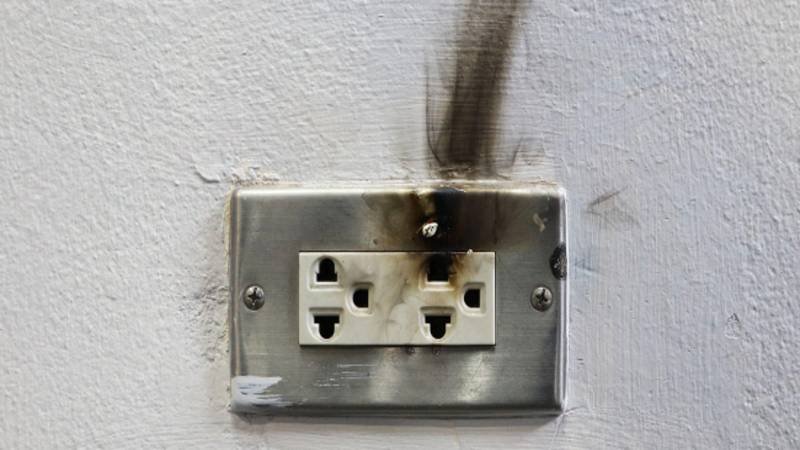
An electrical emergency is any situation where wiring, outlets, or your panel poses an immediate fire or shock risk. Sparks, scorch marks, hot switch plates, a burning odour, or repeated breaker trips all qualify. So does any electrical component touched by water. Recognizing these warnings means acting fast, keeping clear of the source, and calling a licensed electrician without delay.
Introduction
Half your kitchen goes dark while the rest of the house keeps running, and the first instinct is to flip the breaker back and carry on. That instinct is where trouble starts. A breaker that trips and refuses to reset is reporting a fault on the circuit, not asking to be forced. Treating that signal as a nuisance rather than a warning is one of the most common ways a manageable fault turns into a wall fire.
The stakes climb quickly once wiring begins to overheat behind drywall, where flames can take hold well before anyone sees them. To understand the risk properly and act on it, you can learn more about how licensed technicians in the local area diagnose these faults at the source rather than resetting and hoping. Certified work under the Alberta Safety Codes Act separates a genuine repair from a temporary patch that leaves the hazard live.
Reading the Line Between a Fault and a Real Emergency
Not every electrical problem is a crisis, and knowing the line between the two protects both your home and your budget. An emergency is any condition where the wiring, an outlet, or the service panel can start a fire or deliver a shock before you have time to plan around it. The distinction rests on heat, arcing, and exposure, not on how inconvenient the problem feels.
The Threshold Between Nuisance and Hazard
A single dead receptacle with no warmth and no odour can usually wait for a scheduled visit. A fault that produces heat, a smell, or a spark cannot. Arcing inside a wall ranks among the leading causes of residential fires, which is why a warm switch plate or a scorch mark around a socket moves a situation into the urgent column at once.
Signals That Warrant an Immediate Call
Certain conditions justify an after-hours call rather than a morning appointment. The most reliable red flags include:
- An acrid or smoky odour with no obvious external source
- Visible arcing or scorch marks at any fixture or receptacle
- Cover plates that feel hot under your hand
- A breaker that trips again the moment you reset it
- Any wiring, panel, or socket that has met water
Pro Tip: A breaker that keeps tripping is doing its job. It is interrupting a fault, so forcing it back on removes the one safeguard standing between the circuit and an overheating conductor.
The result is a simple rule of thumb. When heat, odour, or arcing enters the picture, treat the circuit as live and dangerous until a licensed professional in Calgary clears it.
Warning Cues That Deserve a Fast Response
Catching danger early is the difference between a service call and a claim with your insurer. Most household electrical failures announce themselves through the senses well before they escalate. Reading those cues correctly, and knowing who is actually responsible for the fault, keeps a small problem from becoming a structural one.
What Your Senses Are Telling You
Your nose and your hands work as surprisingly good diagnostic tools. Learning to read electrical emergency signs starts there. A burning smell from outlet housings, faceplates, or the panel points to insulation breaking down under heat, and it rarely resolves on its own. A sparking electrical outlet signals a loose connection or worn contacts arcing each time current flows. Both belong in the urgent column, and neither should be tested twice for confirmation.
Utility Fault or Household Fault
Knowing where your responsibility begins saves time when the power drops. A partial power outage in house circuits, where half the home goes dark while the street stays lit, almost always traces to internal wiring rather than the grid.
Here is who owns each situation when the lights go out.
| Situation | Who to Call |
| Street or neighbourhood outage | Utility provider |
| Only your home has lost power | Licensed electrician |
| Burning odour or visible sparks | Licensed electrician |
| Downed line near the property | Utility provider, stay back |
| Half the home dark, street powered | Licensed electrician |
That split matters because calling the wrong party costs hours you may not have during a fault.
Staying Safe in the Minutes Before Help Arrives
This is the ground competitors consistently skip. Most articles list the warning signs and stop at “call a professional,” leaving out what to do between the call and the arrival. Those minutes are where injuries and property damage are actually prevented, and a few disciplined steps make the wait far safer.
Isolating the Fault at the Panel
A meaningful difference separates switching off one circuit from killing the main supply. If you can safely reach the panel and you know your breaker labels, switch off only the affected circuit. Cutting the main is rarely necessary and is not advised unless a professional directs it, since working blind at the service entrance introduces its own hazards.
Steps That Keep Everyone Safe
Follow these actions in order once you have made the call:
- Leave the tripped breaker in the off position if it is safe to reach
- Treat every socket, panel, and wire as live, even with the switch off
- Unplug appliances near the affected area, especially anything that was running
- Keep water away from the source, and shut the water main if a leak is involved
- Move children and pets out of the room until the technician clears it
When to Skip the Panel Entirely
Some situations call for the exit, not the breaker box. If you smell strong burning or see smoke, leave the building and call 911 before anyone else. Under the Alberta Safety Codes Act, unlicensed repair stays prohibited for good reason, so the safest hands remain a certified journeyman’s.
Why Knowing an Electrical Emergency Protects Your Home
The pattern holds across every scenario above. Heat, odour, arcing, and water exposure are the four cues that turn an ordinary fault into a genuine hazard, and each one calls for isolation at the panel and a licensed technician rather than a reset. Understanding what is an electrical emergency gives you the judgment to act in the moment, protect the people around you, and keep a small fault from becoming a fire. See more.