
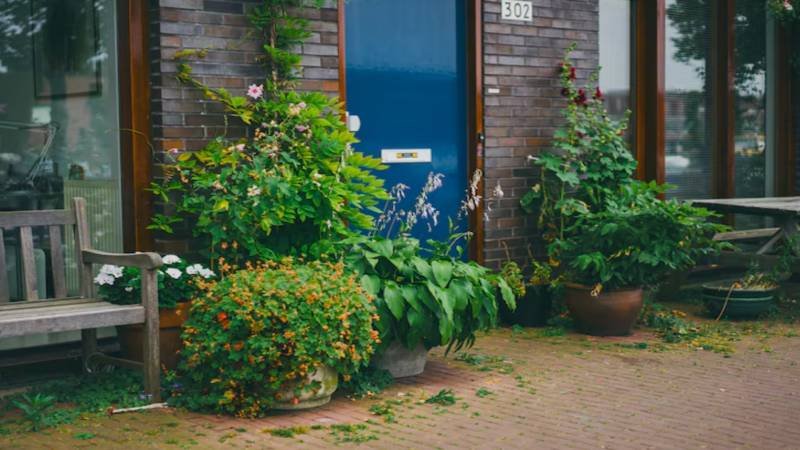
A beautiful front yard does not have to depend on flowers being in season. While colorful blooms can add instant charm during spring and summer, thoughtful landscape design can keep a home’s exterior attractive throughout the entire year. The key is to build the landscape around elements that provide structure, texture, color, and visual interest even when gardens are dormant.
Evergreen plants, attractive pathways, decorative stone, architectural features, seasonal containers, and carefully selected exterior colors can all contribute to a welcoming entrance. When these elements work together, the front yard can maintain its character during colder months and between blooming seasons. Instead of treating winter or early spring as periods when curb appeal disappears, homeowners can design the space so that every season has something worth noticing.
Build the Landscape Around Evergreen structure
Evergreen plants are one of the most reliable ways to maintain visual interest when flowering plants are no longer blooming. Their foliage provides consistent color and structure, helping the front yard look established even during winter.
Consider using a mixture of evergreen shrubs, compact conifers, ornamental grasses, and other plants suited to the local climate. Varying heights can create depth around the entrance, while different foliage textures prevent the landscape from looking repetitive. Evergreens can also help frame doors, windows, pathways, or architectural features.
The goal is not to fill every available space with greenery. A carefully selected group of plants often looks more intentional than an overcrowded garden. Leave enough open space for pathways, decorative materials, and seasonal additions to remain visible.
Create Interest With Architectural Accents
When flowers are not providing color, architectural details can become important focal points. A well-designed front entrance, attractive porch columns, shutters, fencing, raised planters, or a distinctive front door can give the yard a strong visual identity.
These features do not have to be elaborate. Even a simple bench, trellis, planter wall, or decorative gate can create a sense of structure. The most successful accents usually complement the style of the house rather than competing with it.
Think about how these features look from the street. A front yard should guide the eye naturally toward the entrance instead of making visitors wonder where they should walk.
Use Decorative Stone for Texture
Decorative stone can provide texture and definition during seasons when vegetation is less prominent. It can be used around trees, beneath shrubs, beside pathways, or within dedicated landscape beds.
Gravel, river rocks, stone edging, and larger decorative pieces can all add contrast against green foliage and hard surfaces. Stone also tends to maintain its appearance regardless of whether plants are flowering.
Choose materials that complement the home’s exterior. Warm-toned stone can work well with earthy siding and brick, while cooler shades may suit contemporary homes. Keeping the palette controlled will make the landscape feel coordinated rather than visually busy.
Make the Pathway Part of the Design
A pathway should do more than provide access to the front door. It can become one of the strongest design elements in the yard. The shape, material, width, and surrounding landscaping all influence how welcoming the entrance feels.
A gently curved path can create a more relaxed appearance, while a straight walkway often produces a clean and formal look. Stone, brick, concrete, or pavers can be selected according to the home’s architectural style.
Use low-growing plants, edging, or decorative stone alongside the pathway to create definition. Even when flowers are absent, the combination of a clear walkway and structured borders can make the entrance feel finished.
Add Seasonal Containers for Flexible Color
Permanent landscaping provides structure, but containers make it easy to introduce seasonal personality. Large pots near the front door can be updated throughout the year without redesigning the entire garden.
Spring containers might feature flowering plants, while summer arrangements can focus on vibrant foliage. In autumn, ornamental grasses, foliage plants, and seasonal decorations can create warmth. During winter, evergreen branches, decorative twigs, and other cold-weather elements can maintain interest.
Choose containers that complement the house instead of treating them as unrelated decorations. Repeating similar materials or colors in several areas can make the overall design feel more deliberate.
Choose Exterior Colors That Work Year-Round
Color does not have to come exclusively from plants. The home’s exterior, front door, trim, shutters, fencing, and other visible surfaces can provide a consistent color foundation.
Neutral exterior colors can create a timeless backdrop for landscaping, while a more distinctive front door can provide a focal point. The important consideration is how these colors interact with the landscape throughout the year.
For example, a neutral home exterior can make evergreen foliage stand out during winter. Similarly, natural wood, stone, or brick can provide warmth when gardens are less colorful. Think of the house and landscape as one visual composition rather than separate projects.
Use Lighting as a Year-Round Design Element
Outdoor lighting can extend the visual appeal of a front yard after sunset. Pathway lights, subtle uplighting, porch fixtures, and accent lighting can highlight trees, architectural details, stonework, and entrances without overwhelming the property.
Permanent lighting systems can also be designed to remain discreet during ordinary evenings and become more noticeable during holidays or celebrations. For homeowners interested in this approach, Permanent Christmas light installation in Sioux City, IA can provide a way to incorporate professionally installed lighting into a property’s broader exterior design.
The most effective lighting does not necessarily mean the brightest lighting. A carefully planned arrangement can emphasize important features while keeping the overall atmosphere warm and inviting.
Keep Winter in Mind From the Beginning
Many landscapes are designed primarily around spring and summer, leaving winter as an afterthought. A year-round approach starts by asking what the yard will look like when flowers, leaves, and seasonal plants are no longer at their peak.
Evergreen foliage, attractive bark, ornamental grasses, stone features, structural branches, fencing, and lighting can all contribute during colder months. Even deciduous trees can remain visually interesting because their branches create silhouettes and structure against the sky.
By considering every season during the initial design, homeowners can avoid the common problem of having a beautiful garden for only a few months of the year.
Create Balance Instead of Filling Every Space
A welcoming front yard does not need to be packed with plants and decorations. Empty space can be just as important because it allows major features to stand out.
Use larger plants or architectural elements as anchors, then surround them with smaller details. Avoid placing too many competing focal points near the entrance. A balanced design usually feels more polished and easier to maintain.
Open areas can also make the property appear larger. When pathways, plant beds, and decorative features have enough breathing room, the entire front yard can feel calmer and more intentional.
Select Plants for Texture as Well as Color
When flowers disappear, texture becomes especially important. Plants with different leaf shapes, heights, and growth patterns can keep the landscape visually interesting even when there are few blooms.
Combine fine-textured grasses with broader evergreen leaves or plants with distinctive branching structures. Repeating certain textures throughout the yard can create continuity.
This approach also helps prevent the landscape from becoming dependent on one particular season. Instead of relying on flowers for visual impact, the garden becomes interesting because of how its different elements interact.
Think About What Visitors See First
The entrance deserves particular attention because it is usually the first part of the property visitors experience. Keep the route from the sidewalk or driveway to the front door clear, attractive, and easy to follow.
Frame the entrance with plants, containers, lighting, or architectural details without making the walkway feel crowded. A distinctive front door, attractive house numbers, a welcoming porch light, and a few carefully chosen landscape features can make a significant difference.
These details remain relevant regardless of whether the surrounding garden is in full bloom.
Design for Beauty and Maintenance
A landscape that looks attractive but requires constant attention may eventually become difficult to maintain. Year-round curb appeal works best when the design matches the homeowner’s available time and resources.
Choose plants suited to the local conditions and place them where they have enough room to grow. Use durable materials for pathways and borders, and avoid creating unnecessary areas that require frequent maintenance.
A thoughtful design can reduce seasonal gaps while also making routine care more manageable.
Conclusion
A welcoming front yard should not depend entirely on flowers or a single season. By combining evergreen landscaping, architectural accents, decorative stone, defined pathways, seasonal containers, complementary exterior colors, and carefully planned lighting, homeowners can create curb appeal that remains attractive throughout the year.
The strongest designs balance permanent structure with flexible seasonal details. When every element has a purpose, the front yard can continue looking inviting even when nothing is blooming. With thoughtful planning, winter and transitional seasons become opportunities to showcase texture, form, lighting, and architectural character rather than periods when the landscape loses its appeal. See more.