
Why Stronger Suction Can Feel Like the “Right” Answer?
When a pumping session feels slow or unproductive, it is easy to assume that turning the suction up will solve everything. Many parents compare settings and wonder whether a stronger pull means better milk removal. But breast pump suction strength explained in a real-life way is less about “maximum power” and more about how your body responds. Pumping should not feel like a test of endurance. If the suction feels sharp, stressful, or difficult to tolerate, your body may tense up instead of relaxing into a steady milk flow.
Comfort Matters More Than Maximum Pull
A helpful suction comparison is not simply about which pump has the highest number on paper. It is about how the suction feels across different modes, how smoothly it shifts between stimulation and expression, and whether the rhythm matches your letdown pattern. For many moms, a moderate setting that feels comfortable can work better than an aggressive setting that causes discomfort. A pump session that feels calmer may also be easier to repeat consistently, which matters for parents who pump multiple times a day.
What Else Affects a Productive Pumping Session?
Suction is only one part of the experience. Flange size, nipple condition, breast fullness, pumping rhythm, posture, hydration, and stress can all affect how a session feels. A poor flange fit may cause rubbing, while too much suction may make sensitivity worse. Letdown also matters. Some parents need more time, warmth, or gentle stimulation before milk starts flowing well. That is why comfort-focused pumping is not about chasing the highest setting, but about creating conditions that help the body feel ready.
When Pain Is a Signal to Pause
Pumping should not be painful. If you are dealing with sore nipples from pumping, frequent pinching, blanching, cracking, or lingering pain after a session, it may be time to reassess your flange size, suction level, and pumping routine. Low milk output can also have many causes, from supply regulation to latch history to schedule changes. If pain continues or supply concerns feel stressful, a lactation consultant or healthcare professional can help identify what is happening instead of leaving you to guess.
How W1 Brings Warmth and Massage Into the Routine
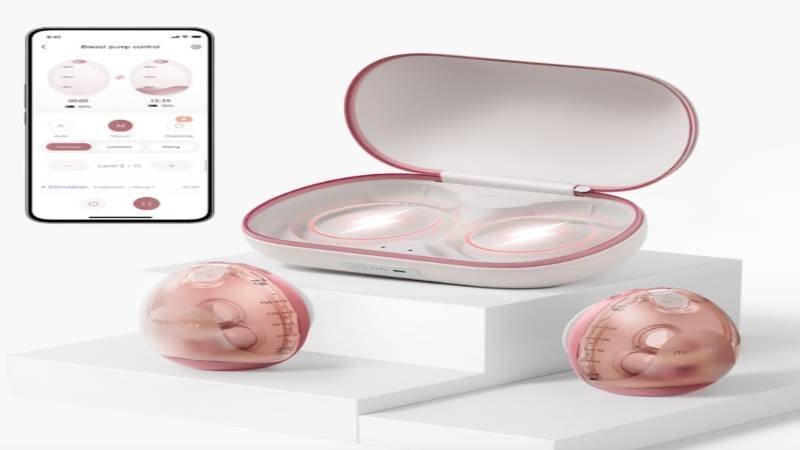
The Momcozy Wellness 1(W1) is designed for parents who want to think beyond suction alone. Instead of focusing only on pull strength, it combines comfort-centered features such as a 360° heated flange, also described as a Heated DoubleFit™ flange, with Rhythmic Massage and Vibration Massage. The idea is simple: warmth and gentle massage can help the body relax into pumping, support an easier letdown, and create a fuller “emptying” feeling for some users. When people search for Momcozy suction strength, they may actually be looking for a more balanced pumping experience.
Choosing a Pump With Comfort in Mind
The best breast pump for pain relief is not necessarily the strongest pump. For many families, the better choice is a pump that allows flexible settings, supports a comfortable rhythm, and helps reduce tension during the session. W1 may be a good fit for moms who want suction, warmth, massage, and comfort to work together rather than treating suction as the only factor. It is especially relevant for those who feel that traditional pumping can be too cold, too mechanical, or too hard to relax through.
A Softer Way to Think About Pumping
Pumping is not just a functional task on a busy family schedule. It can also be emotional, tiring, and deeply personal. A pump that helps a mom feel more relaxed is not only supporting milk expression; it is supporting a calmer moment in the middle of a demanding day. That is where W1’s comfort-first approach feels meaningful. It turns the conversation from “How strong can the pump be?” into “How supported can a mother feel while using it?”