
Choosing the right tile for your home can significantly impact both the aesthetic appeal and durability of your space. For homeowners and interior designers alike, selecting between Clay Tiles and porcelain tiles often involves weighing the benefits of each material’s longevity. Both options offer unique characteristics that can influence their lifespan. In this article, we explore the key differences in durability between Clay Tiles and porcelain tiles, assess their longevity, and examine the factors that can affect their lifespan. By the end, you’ll have a clearer understanding of which tile may be the better investment for your home improvement projects.
Clay Tile vs Porcelain Tile: Key Differences in Durability
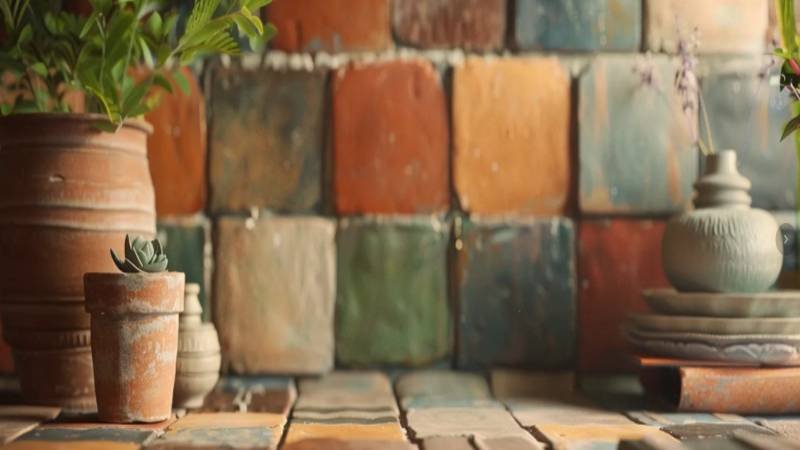
The primary difference between Clay Tiles and porcelain tiles lies in their composition and firing process. Clay Tiles are made from natural clay, which gives them a rustic appearance, and they are fired at lower temperatures compared to porcelain tiles. This results in a softer and more porous tile, which can be more susceptible to wear over time. However, the aesthetic appeal of Clay Tiles is undeniable, often being used to create a warm, inviting atmosphere in a space.
Porcelain tiles, on the other hand, are made from a denser type of clay and fired at higher temperatures. This process creates a tile that is harder and less porous, offering superior resistance to moisture and staining. For example, a detailed Clay Tile such as the Toltec Red Clay Cotto Tile can add a unique charm to your home, but may require more maintenance compared to porcelain counterparts.
When considering durability, it’s important to note that porcelain tiles generally offer a longer lifespan due to their robust nature. Nevertheless, both types can be excellent choices depending on the specific needs of the project and the desired design outcome.
Longevity of Clay Tile: What to Expect
Clay Tiles offer a timeless beauty that makes them a popular choice for various design styles. When properly maintained, Clay Tiles can last several decades. Regular sealing, which can protect them from water and stains enhances their durability. The use of mood boards during the design phase can help visualize how Clay Tiles will integrate with other elements of the space, ensuring a cohesive design.
In terms of longevity, a well-installed Clay Tile floor can last 50 years or more, especially in areas with mild climates. It’s essential to consider factors like foot traffic and exposure to external elements, as these can influence the tile’s wear and tear. Homeowners often incorporate Clay Tiles into hardscape designs, such as patios and walkways, where their natural look complements outdoor spaces.
Ultimately, the longevity of Clay Tiles is greatly affected by how well they are maintained. Regular cleaning and resealing can extend their lifespan, making them a viable long-term investment for your home.
Porcelain Tile Durability: How It Stand Up Over Time
Porcelain tiles are renowned for their impressive durability and resistance to high traffic and moisture. This makes them a preferred choice for both residential and commercial spaces. The use of Computer-Aided Design (CAD) Software in the planning stages can help ensure porcelain tiles are integrated effectively into the overall space planning, aligning with the design goals and functional requirements.
One of the key benefits of porcelain tiles is their ability to withstand heavy use without losing their aesthetic appeal. They are highly resistant to scratches and stains, making them ideal for kitchens, bathrooms, and other areas prone to spills and moisture. For instance, in a high-traffic commercial setting, porcelain tiles may outlast other flooring options, providing a cost-effective solution over time.
When installed correctly, porcelain tiles can last for decades, often maintaining their original appearance with minimal maintenance. This makes them an excellent choice for homeowners seeking a low-maintenance, long-lasting flooring solution.
Factors Influencing the Lifespan of Both Tile Types
Several factors can influence the lifespan of both clay and porcelain tiles. Proper installation is critical, as poorly installed tiles are more likely to crack and require replacement. Using as-built drawings during the installation process can help ensure accuracy and adherence to design specifications, preventing costly mistakes.
Environmental conditions also play a significant role in tile longevity. For example, in regions with high humidity, the porosity of Clay Tiles may lead to faster deterioration unless they are regularly sealed. Conversely, porcelain tiles are less affected by moisture, making them a more durable option in such climates.
Finally, maintenance practices are crucial. Regular cleaning and resealing, particularly for Clay Tiles, can significantly extend their lifespan. The use of a Gantt Chart to schedule maintenance tasks can help manage upkeep effectively, ensuring tiles remain in optimal condition over the years.
Conclusion
Both clay and porcelain tiles offer unique benefits and considerations in terms of durability. While porcelain tiles generally provide a longer lifespan due to their robust composition, Clay Tiles can offer a timeless aesthetic with proper care. Ultimately, the choice between clay and porcelain should be guided by your specific needs, design preferences, and maintenance willingness. By understanding the strengths and limitations of each tile type, you can make an informed decision that enhances the longevity and beauty of your space. See more: whatutalkingboutfamily.com.