
A Smarter Way to Stay Ahead of Sewer Trouble Before It Drains Your Budget
Homeowners rarely think about their sewer line until something goes wrong. By that point, the damage is often messy, expensive, and urgent. The better approach is quieter and far more cost-effective: learning how to recognize early warning signs and planning for repairs before they escalate.
Why Sewer Problems Tend to Catch Homeowners Off Guard
Sewer lines are out of sight, which makes them easy to ignore. Unlike a leaking faucet or a noisy appliance, most issues develop underground over time. Tree roots slowly invade pipes. Small cracks expand. Debris builds up unnoticed.
Symptoms inside the home usually appear late in the process. Many homeowners only start searching for how to fix a sewer backup once water is already coming up through drains, and by then, the issue has had time to grow.
Noticing subtle changes early, slower drains, unusual sounds, and faint odours keeps you in control of the situation. Leave it too long, and your options narrow quickly, along with your budget.
Early Signs Your Sewer Line Is Trying to Tell You Something
Recognizing the first signs can help you avoid emergency calls and major repairs. Here’s how to identify early signs of a main sewer line clog before it turns into a full blockage:
- Slow Drains Across Multiple Fixtures
A single slow drain may not raise concern. Several drains slowing down at once is different. It often points to a blockage deeper in the system rather than a localized issue.
- Gurgling Sounds in Pipes
Unusual bubbling or gurgling noises, especially after flushing a toilet or running water, suggest trapped air caused by a developing clog.
- Unpleasant Odours Indoors or Outdoors
Sewer gas smells inside your home or near your yard can indicate cracks or leaks in the line. These smells should never be ignored.
- Water Backing Up in Unexpected Places
If using one fixture causes water to back up in another (for example, flushing a toilet leads to water rising in a bathtub), it’s a strong sign of a main line issue.
- Unusually Lush Patches in Your Yard
A section of grass that looks greener or grows faster could mean leaking wastewater is acting as fertilizer beneath the surface.
What Causes Sewer Lines to Fail Over Time
Understanding the root of the problem helps you prevent it. These are the most common causes behind sewer line damage:
- Tree root intrusion seeking moisture inside pipes
- Aging materials, such as clay or cast iron deteriorating
- Ground movement or soil shifting
- Grease, debris, and non-flushable items building up
- Poor installation or previous repair work
These factors often overlap, which is why problems tend to accelerate once they begin.
Warning Signs That Point to Bigger Structural Issues
Some symptoms suggest more than a simple clog. These are the warning signs of sewer pipe failure and root intrusion that typically require professional inspection:
- Persistent sewage smells despite cleaning
- Frequent backups even after clearing drains
- Visible sinkholes or soft spots in the yard
- Sudden pest issues caused by pipe gaps
- Cracks in your foundation linked to soil instability
At this stage, temporary fixes won’t hold for long. A camera inspection is usually the next step to assess the condition of the line.
The Real Cost of Waiting Too Long
Delaying action often leads to higher expenses. A minor blockage can be cleared quickly. A collapsed sewer line may require excavation, landscaping repairs, and even structural fixes.
Here’s a general breakdown to help you understand the average cost of sewer line repair and replacement 2026:
- Basic drain cleaning: $150–$500
- Hydro jetting for stubborn clogs: $300–$1,000
- Spot repairs (localized damage): $1,000–$4,000
- Full sewer line replacement: $5,000–$20,000+ depending on depth, length, and access
Costs vary by property and location, though the pattern is consistent: early action costs significantly less.
Building a Practical Budget for the Unexpected
No homeowner wants to deal with surprise plumbing costs, though ignoring the possibility leaves you exposed. Budgeting for emergency plumbing and sewer repairs does not need to be complicated.
Start with a simple plan:
1. Set Aside a Dedicated Home Repair Fund
Aim to save 1–3% of your home’s value annually for maintenance and repairs. Sewer issues are one of the reasons this buffer exists.
2. Prioritize Preventive Inspections
Scheduling a sewer camera inspection every few years is a relatively small expense compared to emergency repairs.
3. Review Insurance Coverage Carefully
Not all policies cover sewer line damage. Look into endorsements or additional coverage if your property is older.
4. Get Familiar with Local Repair Costs
Understanding typical pricing in your area helps you avoid overpaying during urgent situations.
Preventive Maintenance That Actually Works
The most effective way to reduce risk is consistency. Preventing sewage backups with regular drain maintenance is far more manageable than dealing with a flooded basement.
Steps that make a difference:
- Avoid flushing wipes, paper towels, and hygiene products
- Dispose of grease in containers, not down the sink
- Install drain strainers to catch debris
- Schedule professional drain cleaning periodically
- Keep trees and large shrubs away from sewer lines
These habits may seem small, though they directly impact the lifespan of your plumbing system. If you want a clearer picture of what causes backups and what to do if one happens, the City of Calgary sewage backup guide outlines practical steps homeowners can follow, including prevention tips and how to respond quickly if water starts backing up.
A Quick Self-Check Routine You Can Follow
If you want a simple way to stay ahead, run through this checklist every few months:
- Run water in all sinks and tubs to check for slow drainage
- Listen for unusual sounds after flushing toilets
- Walk your yard and look for wet or unusually green patches
- Pay attention to any recurring odours
- Note any changes in water flow or pressure
When It’s Time to Call a Professional
Some situations require immediate attention:
- Sewage backing up into your home
- Strong, persistent odours that won’t go away
- Multiple drains completely blocked
- Visible ground collapse near your sewer line
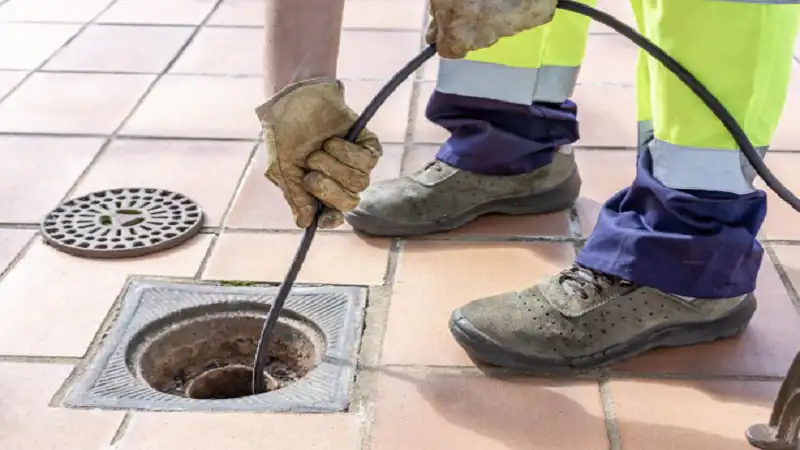
Licensed plumbers have the tools to diagnose the issue accurately, often using camera inspections that pinpoint the problem without guesswork.
What You Catch Early Costs Less to Fix
Sewer issues rarely appear overnight. They build quietly, giving off signals that are easy to miss unless you know what to look for.
Paying attention to early signs, setting aside a realistic budget, and staying consistent with maintenance puts you in control. Instead of reacting to a crisis, you can manage the situation on your terms.
If you’ve noticed even minor changes in your drains or yard, it may be time to take a closer look. Acting early is not just about avoiding inconvenience. It’s a smart financial decision that protects your home long-term.